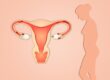
A robotic hysterectomy removes the uterus through a few small incisions in the abdomen, with the surgeon guiding the da Vinci instruments, surgical robots, from a console. Because there is no large incision, recovery is shorter and less painful than after an open abdominal hysterectomy, and most women are home the same day or the next morning. Despite the ease and speed of the procedure, internal healing takes about 6 weeks. Here is what that stretch usually looks like.
Is a robotic hysterectomy major surgery?
Yes, it is major surgery, but done through a minimally invasive approach. The uterus, and sometimes the cervix, tubes, or ovaries, are removed, and the top of the vagina is closed with stitches. The robotic surgery changes the size of the incisions, the blood loss, and how fast you are up and moving. Most women are able to walk within hours and need prescription pain medicine for only a few days, if at all. If you want a walkthrough of the surgery itself, see what to expect during a robotic hysterectomy.
Robotic hysterectomy recovery time: the first 2 weeks
The first 3-5 days post-surgery bring the most discomfort: soreness at the incisions, cramping low in the pelvis, and often sharp pain in the shoulders or under the ribs. That shoulder pain comes from the gas used to inflate the abdomen during surgery and dissipates within a few days. Walking and changing position help more than lying still.
Fatigue surprises people most. You may feel fine in the morning and need a nap by early afternoon, and that is normal through the second week and sometimes beyond. Short walks several times a day speed recovery and lower the risk of blood clots. Most women can shower the day after surgery.
Weeks 3-6: lifting, driving, and going back to work
Driving is usually fine once you are off narcotic pain medicine and can twist in your seat and brake hard without hesitating, often around 1-2 weeks post-surgery. Desk or remote work is realistic at 2-3 weeks for many women, while jobs that involve lifting or standing all day typically wait until 4-6 weeks.
Lifting is the rule people most want to bend. Keep it to around 10 to 15 pounds, roughly a gallon of milk, for the first 6 weeks. That includes toddlers, laundry baskets, and groceries, since heavy lifting too early strains the internal stitches. Walking and gentle stretching are encouraged from the start; running, core work, and weights can resume after your 6-week visit.
Bleeding and discharge after a robotic hysterectomy
Light bleeding or pink to brown discharge for up to 6 weeks is expected. Many women notice a small increase in spotting around 2-3 weeks after surgery as the dissolvable stitches at the vaginal cuff break down, and that is normal. Bright red bleeding that soaks a pad in an hour, large clots, or foul-smelling discharge is not. Use pads only, not tampons, until you are cleared.
When can you have sex after a hysterectomy?
Nothing goes in the vagina for about six to eight weeks, and only after your provider has examined the vaginal cuff and confirmed it has healed. Intercourse too early is the main cause of the cuff opening, a rare but serious complication. Once cleared, go slowly and use lubricant. Most women report sex feels the same or better afterward because the pain or heavy bleeding that led to surgery is gone.
Hormone changes if your ovaries were removed
If your ovaries stayed in place, periods stop but your hormones continue as before, and menopause arrives on its natural schedule or sometimes slightly earlier. You may still notice mild monthly cramping or breast tenderness tied to your ovarian cycle.
If both ovaries were removed before menopause, hormone levels drop within days, and hot flashes, night sweats, and trouble sleeping can start the first week. This is surgical menopause. Options, including bioidentical hormone therapy, can be discussed before surgery or at your follow-up visit.
Robotic hysterectomy side-effects that warrant a call
Most recoveries are uneventful, but call right away or go to the emergency room if you notice:
- A fever over 100.4 degrees
- Heavy bleeding, large clots, or foul-smelling discharge
- Redness, spreading warmth, pus, or opening at an incision
- Trouble urinating, or burning and urgency that does not improve
- Pain or swelling in one calf, chest pain, or shortness of breath
When you’ll feel like yourself again
Most women feel close to normal at 6 weeks and are fully recovered by about 3 months, when deep fatigue is gone and exercise feels easy again. Mild pelvic soreness after long days on your feet can linger a little longer and is not cause for alarm. If you are considering a hysterectomy or want to know what your own recovery might look like, schedule an appointment at The Ob-Gyn Center in Las Vegas.