A hysterectomy is a significant medical procedure that can have a profound impact on your health and quality of life. Whether you’re considering this surgery for medical reasons or as a preventive measure, it’s essential to understand the full scope of what a hysterectomy entails. This article will walk you through the key considerations, potential risks and benefits, helping you to make an informed decision about your health.
Understanding the Basics of Hysterectomy
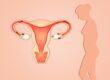
A hysterectomy is a surgical procedure that involves the removal of the uterus. Depending on the reason for the surgery, it may also include the removal of the cervix, ovaries and fallopian tubes. There are different types of hysterectomies:
- Total Hysterectomy: Removal of the uterus and cervix.
- Subtotal or Partial Hysterectomy: Removal of the uterus, leaving the cervix intact.
- Radical Hysterectomy: Removal of the uterus, cervix, part of the vagina and surrounding tissues, usually for cancer treatment.
- Hysterectomy with Bilateral Salpingo-Oophorectomy: Removal of the uterus, cervix, ovaries and fallopian tubes.
The type of hysterectomy you may need depends on your medical condition, age and overall health. It’s crucial to discuss these options with your healthcare provider to determine the best approach for your situation.
Reasons for Considering a Hysterectomy
Hysterectomy is often recommended for various medical conditions that affect the reproductive system. Some of the most common reasons include:
- Uterine Fibroids: Noncancerous growths in the uterus that can cause heavy bleeding, pain, or other complications.
- Endometriosis: A condition where the tissue that normally lines the uterus grows outside of it, leading to pain and potentially infertility.
- Chronic Pelvic Pain: Persistent pain in the pelvic region that hasn’t responded to other treatments.
- Cancer: Hysterectomy may be necessary to treat cancers of the uterus, cervix, ovaries, or endometrium.
- Adenomyosis: A condition where the inner lining of the uterus breaks through the muscle wall of the uterus, causing pain and heavy periods.
- Prolapsed Uterus: When the uterus drops into or out of the vagina due to weakened support muscles.
It’s essential to weigh the benefits of hysterectomy against other treatment options. For some, less invasive treatments may provide relief without the need for surgery. Your healthcare provider can help you explore these alternatives.
The Benefits of Hysterectomy
For many women, hysterectomy can be life-changing, offering relief from chronic pain, heavy bleeding and other symptoms that affect daily life. The benefits of the procedure often include:
- Symptom Relief: For those suffering from conditions like fibroids or endometriosis, hysterectomy can provide permanent relief from symptoms that haven’t responded to other treatments.
- Elimination of Cancer Risk: In cases where hysterectomy is performed to treat or prevent cancer, the procedure can be lifesaving.
- Improved Quality of Life: Many women report an improved quality of life post-hysterectomy, free from the symptoms that once dominated their lives.
However, the benefits must be weighed against the potential risks and long-term effects of the surgery.
Potential Risks and Complications
As with any surgery, hysterectomy carries potential risks and complications. It’s essential to be aware of these before making a decision:
- Surgical Risks: These include bleeding, infection and adverse reactions to anesthesia. While these risks are relatively low, they are still important to consider.
- Early Menopause: If your ovaries are removed during the procedure, you will enter menopause immediately, regardless of your age. This can lead to symptoms like hot flashes, mood swings and an increased risk of osteoporosis.
- Impact on Sexual Function: Some women experience changes in sexual function after a hysterectomy, including a decrease in libido or discomfort during intercourse.
- Emotional Impact: The removal of the uterus can have a significant emotional impact, particularly for women who were planning to have children. It’s important to address these feelings and seek support, if needed.
- Long-term Health Effects: Removal of the ovaries can increase the risk of certain long-term health issues, such as heart disease and osteoporosis, due to the sudden drop in estrogen levels.
It’s crucial to have a detailed discussion with your healthcare provider about these risks and how they may apply to your specific situation.
Questions to Ask Your Healthcare Provider
Before deciding on a hysterectomy, it’s important to have an open and honest conversation with your healthcare provider. Here are some questions you might consider asking:
- What are my alternatives to hysterectomy? Understanding all of your options can help you make an informed decision.
- What type of hysterectomy do you recommend, and why? Knowing the specific type of surgery and its implications is crucial.
- What are the potential risks and complications for me? Each person’s health is unique, so it’s important to understand how the surgery might affect you specifically.
- How will this surgery impact my long-term health? Discussing the long-term effects, particularly if your ovaries will be removed, is essential.
- What can I expect during the recovery process? Understanding the recovery timeline and any necessary lifestyle adjustments can help you prepare.
Preparing for a Hysterectomy
If you and your healthcare provider decide that hysterectomy is the best option, there are steps you can take to prepare:
- Pre-surgery Health Check: Ensure that you’re in the best possible health before surgery by managing any existing conditions, such as high blood pressure or diabetes.
- Understand the Procedure: Make sure you fully understand the procedure, including what will happen during surgery and what the recovery process will involve.
- Post-surgery Support: Arrange for help at home during your recovery period, since you may need assistance with daily tasks.
- Emotional Preparation: Consider speaking with a counselor or joining a support group to address any emotional concerns you may have about the surgery and its impact on your life.
Recovery and Aftercare
Recovery from a hysterectomy can vary depending on the type of surgery and your overall health. Generally, you can expect:
- Hospital Stay: Most women stay in the hospital for one to two days after surgery, though some may stay longer depending on the complexity of the procedure.
- Physical Recovery: Full recovery can take six to eight weeks. During this time, you should avoid heavy lifting and strenuous activities.
- Follow-up Care: Regular follow-up visits with your healthcare provider are essential to monitor your recovery and address any concerns.
- Emotional Recovery: It’s normal to experience a range of emotions after surgery. Allow yourself time to adjust and seek support, if needed.
Final Thoughts: Is Hysterectomy Right for You?
Deciding whether to undergo a hysterectomy is deeply personal and should be made based on your individual health needs, lifestyle and future plans. Take the time to gather all the information, weigh the risks and benefits and consult with your healthcare provider to make the best decision for your health.
If you have any doubts or need further guidance, don’t hesitate to seek a second opinion at The Ob-Gyn Center. Your health is worth the time and effort it takes to make an informed choice.
References
- Wright JD, et al. “Hysterectomy Practice in the United States.” Obstetrics & Gynecology. 2020;135(6):1294-1302.
- ACOG Practice Bulletin No. 208: “Options for Preventing and Treating Pelvic Organ Prolapse.” Obstetrics & Gynecology. 2019;133(1).
- Stewart EA, et al. “Management of Uterine Fibroids.” JAMA. 2021;325(4):369-379.
- Parker WH. “Elective Hysterectomy for Benign Conditions: Risks and Benefits.” Clinical Obstetrics and Gynecology. 2018;61(4):660-669.