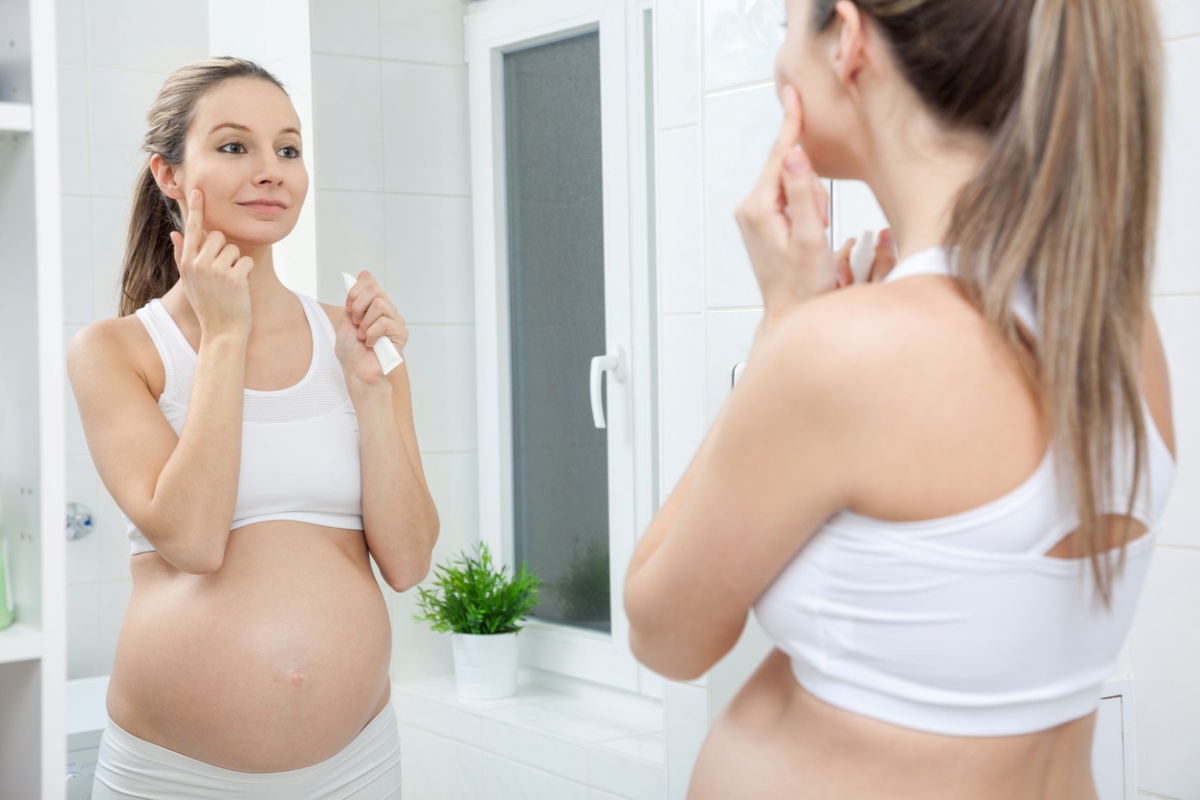
Pregnancy is a time of incredible transformation, both inside and out. As your body prepares to nurture and grow new life, many changes take place, including those you can see in the mirror. For many expectant mothers, skin changes during pregnancy can be surprising, sometimes frustrating, and often confusing.
At The Ob-Gyn Center, we understand that how you feel in your skin matters. In this blog, we’ll walk you through the most common pregnancy-related skin changes, explain why they happen, and share safe, pregnancy-friendly skin care strategies to help you feel more comfortable and confident.
Why Does Pregnancy Affect the Skin?
Skin changes during pregnancy are primarily driven by hormonal fluctuations, especially increases in estrogen, progesterone, and melanocyte-stimulating hormone. Your body also produces more blood, retains more fluid, and stretches rapidly to accommodate your growing baby. All of these shifts can influence how your skin looks and feels.
The good news is that most of these changes are temporary and will fade or improve after delivery. In the meantime, knowing what to expect and how to manage symptoms safely can make a big difference in your comfort and self-esteem.
Common Skin Changes During Pregnancy
Let’s explore some of the most common skin issues experienced during pregnancy and what causes them.
Melasma (“The Mask of Pregnancy”)
Melasma appears as dark patches or blotches, usually on the face, especially the cheeks, forehead, and upper lip. It’s caused by increased melanin production due to hormonal changes.
Melasma can be made worse by sun exposure, and while it often fades after delivery, some women may continue to see pigmentation long-term.
Management Tips:
- Wear a broad-spectrum sunscreen (SPF 30 or higher) daily, even on cloudy days.
- Wear wide-brimmed hats and seek shade when outdoors.
- Choose pregnancy-safe mineral sunscreens with zinc oxide or titanium dioxide.
- Avoid waxing the affected area, which can worsen pigmentation.
Stretch Marks
Stretch marks, or striae gravidarum, are one of the most well-known changes during pregnancy. These red, purple, or pink streaks typically appear on the abdomen, breasts, thighs, and hips as the skin stretches to accommodate weight gain and a growing baby.
While genetics play a large role in whether you get stretch marks, hydration and skin support can help minimize their appearance.
Management Tips:
- Keep the skin moisturized with fragrance-free lotions, oils, or creams rich in vitamin E, cocoa butter, and organic or natural shea butter.
- Stay well-hydrated by drinking water throughout the day.
- Gain weight gradually and within your provider’s recommended range to avoid sudden skin stretching.
Pregnancy Acne
Hormonal surges, especially during the first and second trimesters, can cause your oil glands to produce more sebum, leading to breakouts. Pregnancy acne may appear on the face, chest, or back.
Because not all acne treatments are safe during pregnancy, it’s important to choose gentle options and check with your provider before starting any new skincare products.
Management Tips:
- Use a mild, pregnancy-safe cleanser twice a day.
- Avoid picking or squeezing blemishes, which can lead to scarring.
- Steer clear of products with retinoids, salicylic acid in high concentrations, and benzoyl peroxide without medical guidance.
- Look for skincare labeled as “non-comedogenic” (won’t clog pores).
Linea Nigra
This is a dark vertical line that may appear down the center of your abdomen during pregnancy. It’s completely normal and caused by increased pigmentation from hormonal changes.
Management Tips:
- No treatment is needed. Linea nigra usually fades several months after giving birth.
Skin Sensitivity and Itching
Pregnancy can make your skin more sensitive to heat, fabric, and even products you’ve used before without issue. Itchy skin, especially on the belly and breasts, is also common as the skin stretches.
In rare cases, intense itching can signal a liver condition called intrahepatic cholestasis of pregnancy (ICP), so always immediately let your provider know if itching is severe or comes with other symptoms.
Management Tips:
- Moisturize with fragrance-free lotions or creams to soothe dry skin.
- Choose breathable, natural fabrics like cotton.
- Take lukewarm (not hot) baths or showers.
- Avoid scented or harsh soaps.
Spider Veins and Varicose Veins
Increased blood flow and pressure on blood vessels during pregnancy can lead to small red veins (spider veins) or larger swollen veins (varicose veins), especially in the legs.
Management Tips:
- Elevate your legs when possible.
- Avoid standing or sitting for long periods without moving.
- Wear compression stockings if recommended.
- Stay physically active with provider-approved exercises.
- Stay hydrated!
Skin Tags
Small, harmless skin growths called skin tags can pop up during pregnancy, often in areas where skin rubs together, like under the breasts or in the armpits.
Management Tips:
- These are benign and often go away on their own after delivery.
- Talk to your provider before removing them, especially while pregnant.
Pregnancy-Safe Skincare: What to Use and What to Avoid
Taking care of your skin during pregnancy means making thoughtful choices about what you apply topically. Some ingredients found in common skincare products can be absorbed into the bloodstream and may not be safe for your growing baby.
Safe Ingredients:
- Zinc oxide and titanium dioxide (for sun protection)
- Hyaluronic acid (for hydration)
- Azelaic acid (for gentle acne treatment and pigmentation)
- Vitamin C (for brightening and antioxidant protection)
- Glycerin and ceramides (for moisture barrier support)
Ingredients to Avoid:
- Retinoids (retinol, tretinoin)
- High-dose salicylic acid
- Hydroquinone (a skin lightener)
- Formaldehyde and parabens
- Essential oils in large concentrations (especially rosemary, clary sage, and peppermint)
Always read product labels and consult with your OB/GYN before starting any new skincare routine while pregnant.
The Ob-Gyn Center’s Approach to Skin Health in Pregnancy
At The Ob-Gyn Center, we understand that pregnancy skin changes can be more than just cosmetic, and can affect how you feel every day. That’s why we offer guidance on safe, effective products and routines to support your skin health during this unique stage of life.
If you’re dealing with uncomfortable symptoms or just want to know which skincare products are best for you and your baby, we’re here to help. Our providers take a holistic approach to care, integrating both medical and wellness perspectives to ensure you feel your best throughout pregnancy.
We also work closely with dermatology partners for any complex or persistent skin concerns, so you always have access to expert care when needed.
When to Talk to Your Provider
Most skin changes during pregnancy are harmless and temporary, but it’s always a good idea to speak with your provider if:
- You experience sudden or severe itching, especially on your hands and feet
- You notice a rash, blisters, or sores that won’t go away
- Your acne becomes painful or inflamed
- You feel anxious or overwhelmed by your appearance
No concern is too small! We’re here to support you every step of the way.
Pregnancy changes everything, but you don’t have to navigate it alone. If you have questions about skin care, safe products, or anything else related to your pregnancy journey, schedule an appointment with The Ob-Gyn Center today. We’re committed to helping you feel informed, supported, and confident: inside and out.