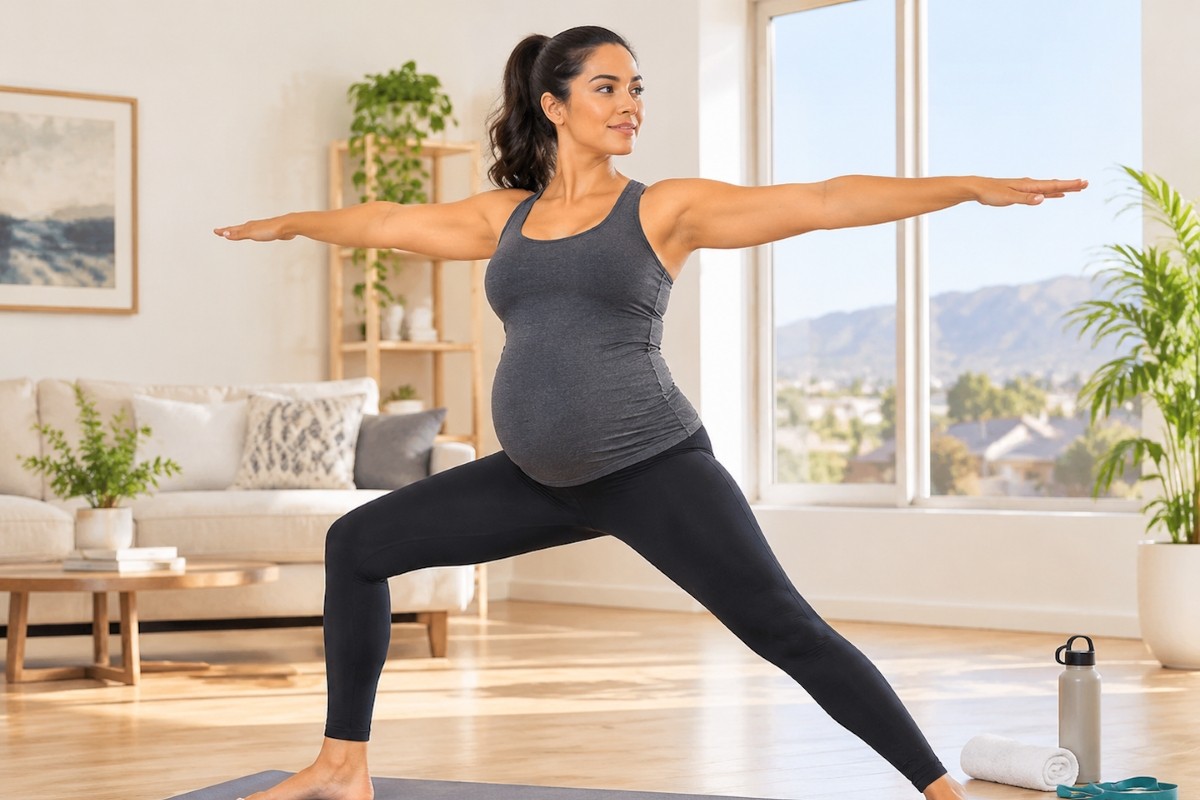
Exercise during pregnancy is safe and recommended for most women with an uncomplicated pregnancy, from the first trimester through delivery, and that includes women who were not active before they conceived. The guidance below reflects current understanding in 2026 and applies only to low-risk pregnancies. If you have a condition such as placenta previa, cervical insufficiency, or unexplained bleeding, your provider may ask you to limit exercise, so check in first.
Can you get fit while pregnant if you weren’t before?
Yes. Pregnancy is not the time to train for a marathon, but it is a fine time to go from inactive to active. Begin with 10 to 15 minutes of brisk walking, stationary cycling, or swimming a few days a week, then add five minutes every week or so. The target is about 150 minutes of moderate activity spread across the week, and it is fine to take months to get there. During pregnancy, your fitness goals shift too: think “healthy pregnancy and easier postpartum recovery” rather than weight loss or a personal best.
How to stay fit during pregnancy, trimester by trimester
In the first trimester, fatigue and nausea are the main obstacles, not safety. Shorter sessions and morning workouts often help, and you can generally keep doing what you were already doing.
The second trimester is usually the easiest window. Energy returns and the belly is not yet in the way, so it is a good time to add strength work and prenatal yoga or Pilates. After about 20 weeks, avoid lying flat on your back for long stretches, since the uterus can press on a major vein and make you lightheaded.
In the third trimester, joints loosen and balance shifts forward. Swap running or jumping for walking, swimming, and cycling if they feel uncomfortable, and widen your stance in strength moves. Many women exercise right up to their due date at a gentler pace. For more ideas, see our earlier post on staying fit during your pregnancy.
How hard should I exercise while pregnant?
Use the talk test. You should be able to speak in full sentences while you work out. If you can only get a few words out, slow down. There is no single safe heart-rate number for everyone, so how you feel is a better guide than a watch.
Can you lift weights or run while pregnant?
Lifting weights and running are generally safe for women who already do them. Lifting weights builds the back, hip, and leg strength you need as your belly grows. Use moderate weights you can control, breathe out on the effort instead of holding your breath, and skip movements that make you bear down. Avoid crunches and planks that cause the abdomen to dome or cone outward, and favor side-lying or kneeling core work instead.
Runners can usually keep running through most of pregnancy. Expect your pace to slow, and stop if you notice pelvic pressure, leaking urine, or pubic bone pain. Daily pelvic floor exercises lower the chance of leaking urine during and after pregnancy.
What exercises should you avoid during pregnancy?
A short list of activities is off-limits throughout pregnancy because of the risk to the baby:
- Contact sports and anything with a real chance of being hit in the belly, such as soccer, basketball, kickboxing, or hockey
- High fall-risk activities, including downhill skiing, horseback riding, surfing, and outdoor cycling late in pregnancy
- Scuba diving and hot yoga or hot Pilates
- Exercise at very high altitude (8,200-8,500 feet) if you do not live there
Working out in the Las Vegas heat while pregnant
Pregnant women overheat more easily, and a high core temperature is a particular concern in the first trimester. In the Las Vegas summer, exercise indoors or go out before sunrise, drink water before, during, and after exercise, and stop at the first sign of dizziness or headache. Pool workouts are ideal for this climate.
When to stop exercising and call your provider
Stop and call the office the same day if you notice:
- Vaginal bleeding or a gush or steady trickle of fluid
- Regular, painful contractions
- Dizziness, chest pain, a racing heartbeat that does not settle, or trouble breathing at rest
- Calf pain or swelling in one leg
- A headache that will not ease or a sudden drop in the baby’s movements
Why staying fit while pregnant pays off at delivery
Regular exercise lowers the risk of gestational diabetes and excess weight gain, eases back pain and constipation, improves sleep, and lifts mood. Women who stay active often have shorter labors and recover faster after birth. Your prenatal visits are the right place to fine-tune your fitness routine as your pregnancy progresses. If you are pregnant or planning to be, schedule an appointment at The Ob-Gyn Center in Las Vegas to build an exercise plan that fits you.