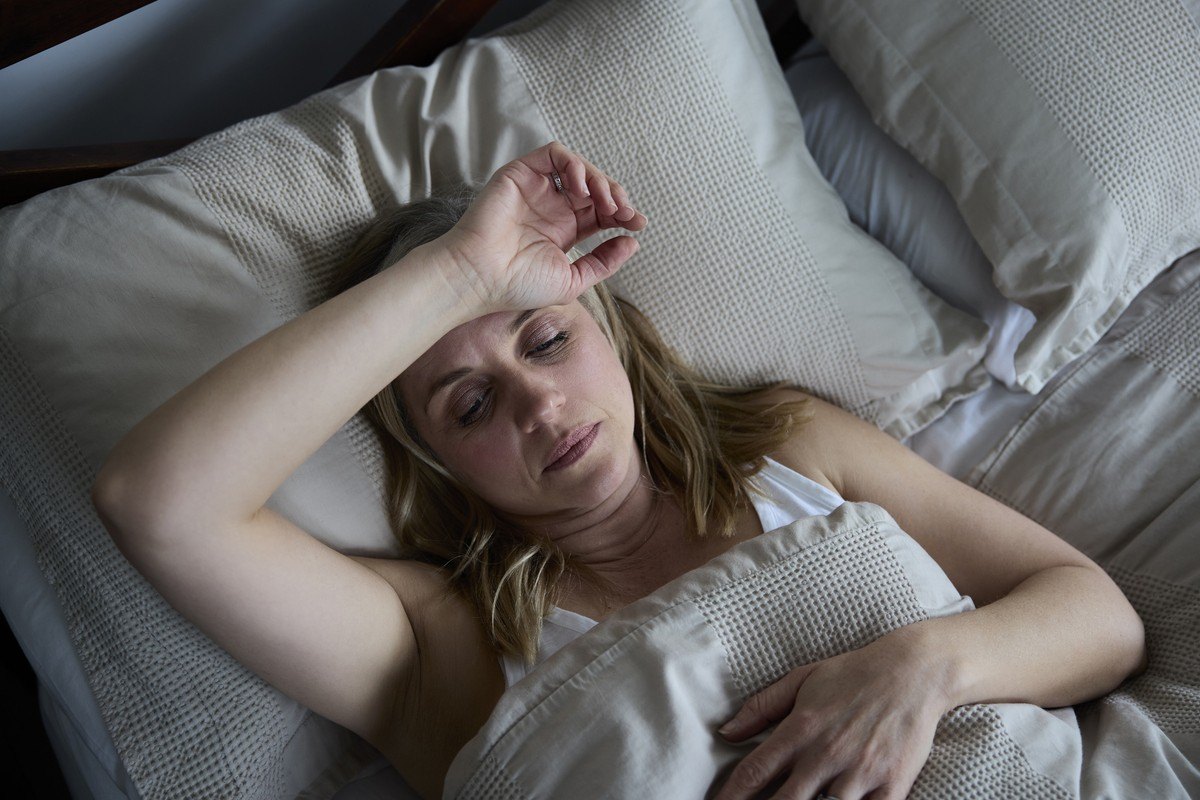
Hormones do much more than regulate your menstrual cycle. They influence your mood, energy, sleep, appetite, skin, weight, fertility, and how your body responds to stress. When hormones are working well, most women feel steady. When they shift or fall out of balance, symptoms can show up in subtle ways that are easy to blame on fatigue or a busy schedule.
Hormonal changes are a normal part of life, from adolescence through menopause. But persistent symptoms that affect how you feel on a daily basis deserve more than a wait-and-see approach.
The Hormones That Matter Most
Three hormones play the biggest roles in women’s health:
Estrogen supports the uterine lining, vaginal tissue, bone strength, cholesterol, and skin elasticity. It also affects brain chemicals tied to mood, which is why hormonal shifts can feel so emotional.
Progesterone rises after ovulation and helps prepare the uterus for pregnancy. It has a calming effect for some women, but changes in progesterone can also drive premenstrual syndrome (PMS) symptoms, sleep trouble, and breast tenderness.
Testosterone, often thought of as a male hormone, is also important for women. It supports libido, energy, and muscle strength, and low levels may contribute to fatigue or low sex drive.
What “Hormone Imbalance” Actually Means
When people say they have a hormone imbalance, they usually mean their symptoms do not match how they normally feel. Sometimes the issue is a true hormonal disorder. Other times, the body is responding to stress, sleep disruption, postpartum recovery, or the transition to perimenopause.
Hormones also interact with other systems, including your thyroid, insulin, and cortisol. Symptoms like fatigue, for example, can be tied to hormones, sleep, iron levels, thyroid function, or mental health. That overlap is why a thoughtful evaluation can be so helpful.
Adolescence
During puberty, the body is learning how to cycle. Periods may be irregular for the first few years, and acne, mood changes, and heavier bleeding are common as hormones settle into a rhythm. Painful periods, very heavy bleeding, and cycles that stay irregular over time are worth evaluating. Some teens may also show early signs of polycystic ovarian syndrome (PCOS), which can involve irregular ovulation, acne, and excess hair growth.
Reproductive Years
During the reproductive years, hormones follow a monthly pattern. Estrogen rises before ovulation, progesterone rises after, and both drop before a period begins. You may still experience symptoms during your cycle, especially in the week or two before your period. PMS is common, but if you experience severe mood changes, cycle-linked migraines, or periods that disrupt your daily routine, it’s a good idea to tell your provider. Hormonal contraceptives help some women, while others respond better to lifestyle changes or treatment for an underlying condition like thyroid disease or endometriosis.
Pregnancy
Pregnancy brings major increases in estrogen and progesterone. These hormones support the placenta, maintain the pregnancy, and prepare the body for delivery and breastfeeding. They also explain many common pregnancy symptoms, including nausea, breast tenderness, skin changes, and mood shifts.
Pregnancy care can also help bring underlying issues to the surface, like thyroid dysfunction or blood sugar problems. If you feel persistently unwell, intensely anxious, or unusually low during pregnancy, let your provider know. Support is available.
Postpartum
After delivery, estrogen and progesterone drop quickly. Many women feel emotionally sensitive during this window, and sleep deprivation can make mood changes more intense. If you are breastfeeding, prolactin stays elevated and can suppress ovulation and lower estrogen, which may lead to vaginal dryness, discomfort with intimacy, and lower libido.
Mild “baby blues” can happen in the first couple of weeks, and symptoms can include crying for no reason, mood swings, irritability, anxiety, and feeling overwhelmed. However, symptoms that are intense, worsening, or lasting beyond that early window should be evaluated for postpartum depression or anxiety. Scheduling a postpartum care visit can help you and your provider assess what you are experiencing and identify the right support.
Perimenopause
Perimenopause is the transition leading up to menopause. It often starts when women are in their 40s, but can begin earlier. The hallmark is fluctuating hormones, especially unpredictable ovulation and shifting progesterone levels. Estrogen can swing high and low, making symptoms feel different from one month to the next.
Many women notice cycle changes first: shorter or longer cycles, heavier bleeding, or skipped periods. Other symptoms can include hot flashes, sleep disruption, mood changes, increased anxiety, brain fog, and shifts in weight or body composition. Because perimenopause can overlap with thyroid issues, iron deficiency, and chronic stress, personalized perimenopause counseling is important.
Menopause
Menopause is defined as 12 consecutive months without a period. After menopause, estrogen stays lower. Some women feel relief from cycle-related symptoms, while others develop new concerns like vaginal dryness, painful sex, recurrent urinary tract infections, hot flashes, and sleep problems.
There are effective options for relief, including lifestyle changes, non-hormonal treatments, and hormone therapy for appropriate candidates. The right approach depends on your medical history, symptom severity, and personal goals. Learn more about the options available through menopausal health services.
When to Talk to Your OB-GYN About Hormones
If hormonal symptoms are affecting your quality of life, it is worth scheduling a visit with your OB-GYN. Common reasons to seek an evaluation include periods that are extremely heavy, painful, or unusually long; cycles that become irregular for more than two to three months; new facial hair growth or worsening acne; persistent fatigue, brain fog, or sleep problems; mood symptoms that are severe or hard to manage; hot flashes, night sweats, or vaginal dryness; and difficulty conceiving.
Your provider may recommend a symptom review, a physical exam, and targeted lab work. Not every symptom requires extensive testing, but the goal is to identify patterns and rule out common medical causes.
Finding Hormonal Support at The Ob-Gyn Center
If your symptoms are making you feel unlike yourself, you do not have to wait it out. The Ob-Gyn Center takes a personalized approach, starting with your symptoms, cycle history, and health goals. Whether you are navigating puberty, planning a pregnancy, adjusting to postpartum, or managing perimenopause and menopause, their team can help you understand what is driving your symptoms and build a plan that fits your life.