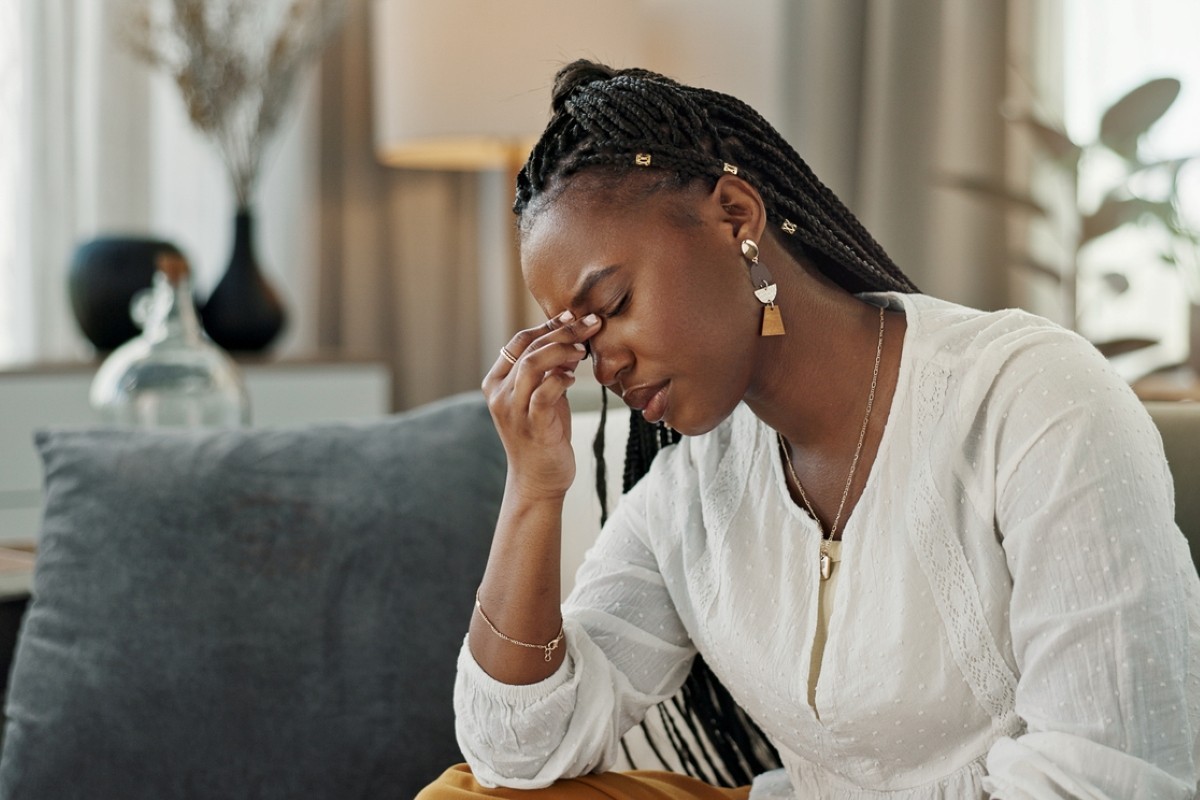
Stress is part of life, but when it becomes constant, you may experience signs that something is off. You might notice changes in your sleep, appetite, energy, mood, or menstrual cycle. For some women, stress shows up as headaches or stomach issues. For others, it looks like a late period, low libido, or feeling “wired but tired.”
While stress has real, physical effects, there are practical ways to feel better. It also helps to know when symptoms may be stress-related and when they may require a medical check.
What stress does to the body
When you’re stressed, your brain triggers a response that releases hormones like cortisol and adrenaline. This response is helpful in the short term, but ongoing stress can make it harder for your body to return to baseline. Over time, it can affect sleep quality, immune function, blood pressure, and the balance of hormones involved in your cycle.
Common signs of stress in women
Stress can look different from person to person, but many women notice a mix of physical and emotional symptoms. You may feel more irritable, on edge, or overwhelmed. You might also notice physical symptoms that seem unrelated.
Common stress-related symptoms include:
- Fatigue
- Trouble sleeping
- Headaches
- Muscle tension
- Stomach discomfort
- Changes in appetite
Some women notice acne flare-ups or skin sensitivity. Others feel a racing heart, chest tightness, or shallow breathing, especially during anxious moments. These symptoms can overlap with other health conditions, which is why persistent or severe symptoms should not be ignored.
How stress can affect your menstrual cycle and hormones
Stress can influence the hormones that help regulate ovulation and menstruation. If ovulation is delayed or does not happen in a given cycle, your period may come later than expected.
Stress can also contribute to spotting, heavier or lighter bleeding than usual, or more noticeable pre-menstrual syndrome (PMS) symptoms. If you already have a condition like polycystic ovary syndrome (PCOS) or thyroid disease, stress may make those symptoms feel more intense, even though stress is not the root cause.
A late period has many possible explanations besides stress, including pregnancy, thyroid changes, significant weight shifts, and other hormone-related issues. If your cycle changes repeatedly, it is worth having your menstrual irregularities evaluated.
Stress, sleep, and energy
Stress and sleep have a two-way relationship. Stress can make it hard to fall asleep or stay asleep, and poor sleep can worsen stress symptoms the next day. You might notice racing thoughts at bedtime, waking too early, or feeling tired even after a full night’s sleep.
When sleep is disrupted, your body may produce more stress hormones, and you may crave quick energy sources like sugar or caffeine, which can, in turn, make fatigue and irritability harder to manage.
Stress and digestion
The gut and brain are closely connected. Stress can change how quickly food moves through your digestive system and increase gut sensitivity. Some women notice nausea, bloating, constipation, diarrhea, or heartburn during periods of increased stress.
Stress can also affect eating patterns. Skipping meals or eating irregularly can worsen energy dips and contribute to feeling jittery or irritable.
Stress and sexual health
Stress can lower libido and decrease arousal. When your body is in survival mode, sexual desire may drop. Stress can also contribute to vaginal dryness for some women, which can make sex uncomfortable.
In addition, stress can increase pelvic floor tension. Some women notice pain with sex or urinary urgency that worsens during stressful times. If these symptoms persist, they deserve medical attention.
Practical ways to cope with stress that actually help
There is no single fix for stress. What helps most is building small, repeatable habits that signal safety to your body. Consistency matters more than intensity.
Use short reset tools during the day. Try slow breathing, a brief walk, stretching, or stepping outside for a couple of minutes.
Protect sleep as a health priority. Aim for a consistent wake-up time, limit caffeine later in the day, and keep screens out of bed when possible.
Move your body in a way that feels doable. Walking, yoga, swimming, and strength training can support mood and sleep without adding pressure.
Eat regular meals and snacks. Skipping meals can worsen anxiety-like symptoms such as shakiness, dizziness, and irritability.
Limit alcohol and nicotine. Smoking and drinking alcohol can disrupt sleep and worsen anxiety the next day.
Stay connected. Talking to a friend, partner, or therapist can reduce isolation and help you feel supported.
Write down what is stressing you. A short list can help your brain stop looping and make the next steps feel clearer.
If you feel stuck or overwhelmed, counseling can be a highly effective tool. Approaches like cognitive behavioral therapy (CBT) have strong evidence for helping with stress and anxiety.
When should stress symptoms be checked by a provider?
Stress can cause real symptoms, but may not be the only explanation for ongoing changes. Consider scheduling a visit if you notice:
- Periods that become consistently irregular, very heavy, or absent for several months
- Bleeding between periods, bleeding after sex, or new pelvic pain
- Severe PMS symptoms or mood changes that feel unmanageable
- Sleep problems that last more than a few weeks and affect daytime functioning
- Ongoing digestive symptoms, unexplained weight change, or persistent fatigue
- New or worsening headaches, dizziness, or racing heart
- Pain with sex, vaginal dryness, or urinary symptoms that do not improve
Seek urgent care for chest pain, trouble breathing, fainting, or thoughts of self-harm.
What your OB/GYN can do when stress affects your health
An OB/GYN visit can help you understand whether your symptoms might be stress-related or due to another cause. Depending on your symptoms, your provider may review your hormonal cycle pattern, medications, sleep, and lifestyle factors. They may also screen for health conditions that can mimic stress symptoms, such as thyroid disease, anemia, pregnancy, or hormone-related conditions. Scheduling an annual well-woman visit is a good starting point for addressing these concerns.
If mood symptoms are a major concern, your provider can discuss options that may include counseling referrals and, when appropriate, medication support.
Getting back to normal
Stress is a body response that can start affecting your health when it becomes constant. Paying attention to symptoms, building realistic coping habits, and getting support early can make a real difference.
If stress is affecting your menstrual cycle, sleep, mood, or overall well-being, schedule an appointment with The Ob-Gyn Center. We can help you evaluate your symptoms, rule out underlying causes, and build a plan that supports your health now and in the long term.