Pelvic health plays a crucial role in overall well-being, yet many women don’t focus on their pelvic floor muscles until problems arise. A strong pelvic floor supports bladder and bowel control, core stability, and sexual function. At The OB-GYN Center, we emphasize preventive care and personalized guidance to help women maintain optimal pelvic wellness at every stage of life.
Common Pelvic Health Concerns
Several conditions can result from weak or overly tight pelvic floor muscles, affecting daily life and long-term health:
- Urinary Incontinence – Involuntary leakage of urine, especially during coughing, sneezing, or exercising.
- Pelvic Organ Prolapse – A condition where the bladder, uterus, or rectum shifts from its normal position, leading to discomfort or pressure.
- Chronic Pelvic Pain – Persistent pain in the pelvic region, often related to muscle tension or dysfunction.
Childbirth, hormonal changes, aging, obesity, or certain medical conditions can cause these issues. While these concerns are common, they are also highly treatable with the right approach.
Recent Research on the Importance of a Strong Pelvic Floor
The pelvic floor is critical in core stability, bladder control, sexual health, and overall well-being. New research highlights its importance in preventing and managing various health conditions. Here are some of the latest findings on the benefits of a strong pelvic floor and how it impacts overall health.
Urinary Incontinence Reduction
A recent study published in EatingWell found that low-impact yoga and pelvic floor exercises can reduce urinary incontinence episodes by 65%. Strengthening these muscles through targeted movements has been shown to offer a non-invasive alternative to medication and surgical treatments for bladder control issues.
Sexual Health Benefits
A well-toned pelvic floor is associated with improved sexual function. Strengthening these muscles enhances blood flow, muscle coordination, and sensation, which can positively impact overall sexual wellness. According to Harvard Health, pelvic floor exercises can help improve sexual response and satisfaction while also reducing the risk of dysfunction.
Core Stability and Back Pain Prevention
The pelvic floor is a key part of the core, working alongside the abdominal, back, and hip muscles to provide stability. Research from Health.com indicates that individuals with a strong pelvic floor experience better posture, reduced back pain, and improved overall movement patterns. A well-functioning core reduces strain on the spine and lower back, promoting better mobility and strength.
Impact on Postpartum Recovery
A strong pelvic floor is essential for postpartum healing. Studies indicate that women who engage in pelvic floor strengthening during and after pregnancy experience quicker recovery times, reduced risk of prolapse, and better bladder control. Preventive pelvic floor care is increasingly recognized in postpartum rehabilitation programs. According to Mayo Clinic, engaging in postpartum pelvic floor exercises can significantly improve recovery outcomes.
Overall Quality of Life Improvement
Pelvic floor health is linked to enhanced daily comfort and confidence. Whether it’s maintaining bladder control, preventing discomfort, or improving sexual well-being, a strong and functional pelvic floor plays a vital role in long-term health and wellness.
Take Action for Your Pelvic Health
Regular pelvic floor exercises, good posture habits, and professional guidance can make a significant difference in preventing and managing pelvic floor dysfunction. Strengthening these muscles is not just about reacting to issues—it’s about proactive care for long-term health.
For those experiencing pelvic floor issues, seeking help from an OB-GYN or pelvic floor specialist can provide personalized strategies for maintaining strength and function.
Key Exercises to Strengthen the Pelvic Floor
Engaging in targeted exercises can significantly improve pelvic floor strength and function. Here are some of the best techniques:
1. Kegel Exercises
Kegels help strengthen the muscles that control bladder and bowel function.
- Identify the muscles used to stop urine flow (but do not regularly stop urination as an exercise).
- Contract these muscles for 5 seconds, then relax for 5 seconds.
- Perform three sets of 10 reps daily.
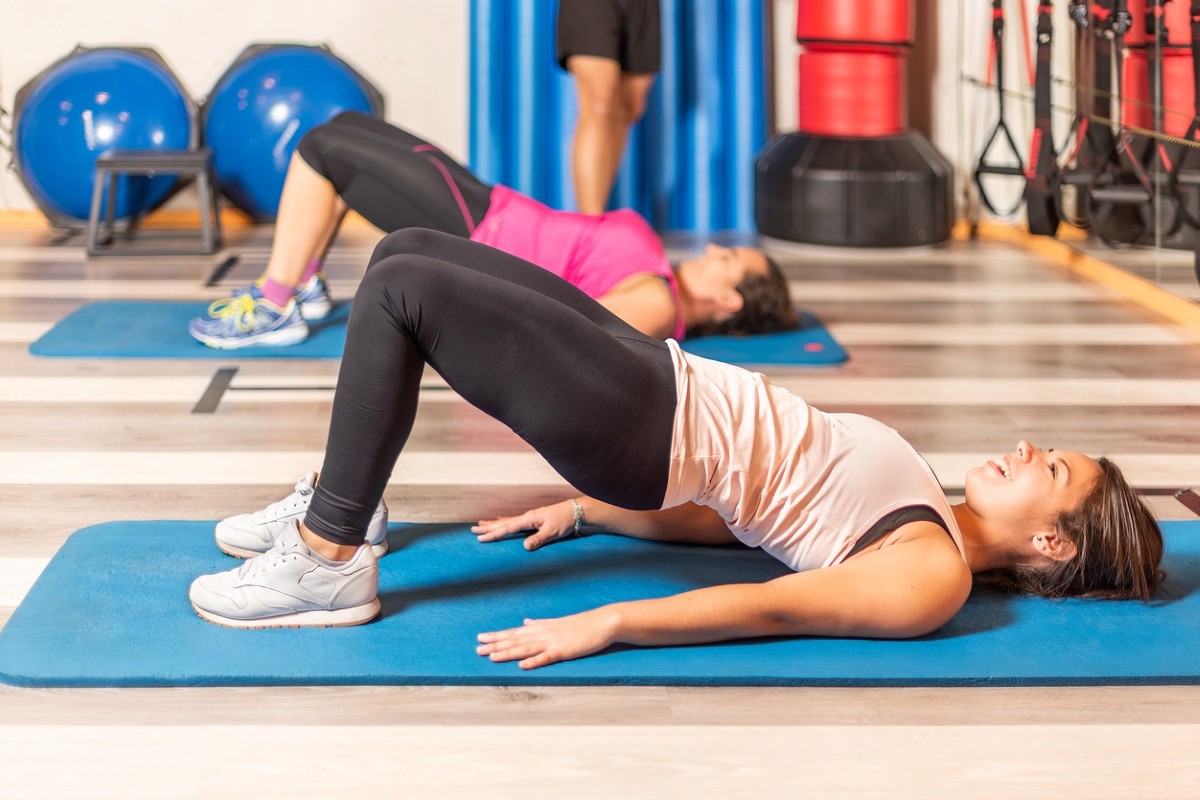
2. Bridge Pose
This exercise engages both the pelvic floor and core muscles.
- Lie on your back with your knees bent and feet flat on the floor.
- Lift your hips while squeezing the pelvic floor muscles.
- Hold for a few seconds, then lower back down.
3. Squats
Squats activate the pelvic floor along with the lower body.
- Stand with feet shoulder-width apart.
- Lower into a squat while engaging the pelvic floor.
- Return to a standing position and repeat 10-15 times.
4. Bird-Dog Exercise
This movement improves pelvic floor and core stability.
- Start on your hands and knees.
- Extend your right arm forward and left leg back, engaging your pelvic floor.
- Hold for a few seconds, then switch sides.
5. Diaphragmatic Breathing
Proper breathing patterns help relax and strengthen the pelvic floor.
- Sit or lie down with one hand on your chest and the other on your abdomen.
- Inhale deeply through the nose, expanding the belly, then exhale slowly through the mouth.
- Repeat for 5-10 minutes daily.
In addition to regular pelvic exercises, women can take several steps to maintain pelvic health:
Maintain a healthy weight – Extra weight puts strain on pelvic floor muscles.
Avoid chronic constipation – Straining weakens the pelvic muscles; fiber and hydration help.
Practice proper posture – Good alignment reduces pelvic pressure.
Limit heavy lifting – If necessary, engage core and pelvic muscles when lifting.
How The OB-GYN Center Supports Pelvic Health
At The OB-GYN Center, we take a comprehensive approach to pelvic wellness through:
- Annual exams & pelvic health assessments
- Personalized exercise & lifestyle recommendations
- Referrals for pelvic floor physical therapy when needed
- Guidance on postpartum recovery and hormonal changes
Our team is dedicated to empowering women with knowledge and care that enhances long-term pelvic wellness.
Take Charge of Your Pelvic Health
Pelvic floor strength is essential for daily comfort, core stability, and overall well-being. Whether you want to prevent issues, recover after childbirth, or address concerns like incontinence or prolapse, The OB-GYN Center is here to help.
Schedule an appointment today to learn more about how we can support your pelvic health.
References
- Cleveland Clinic. Kegel Exercises: Benefits & How To Do Them. https://my.clevelandclinic.org/health/articles/14611-kegel-exercises
- Harvard Health. Strengthening Your Pelvic Floor Muscles. https://www.health.harvard.edu/blog/strengthening-your-pelvic-floor-muscles
- Mayo Clinic. Pelvic Organ Prolapse: Symptoms and Causes. https://www.mayoclinic.org/diseases-conditions/pelvic-organ-prolapse
- Healthline. Exercises to Strengthen Your Pelvic Floor. https://www.healthline.com/health/fitness-exercise/pelvic-floor-exercises
- American College of Obstetricians and Gynecologists. Pelvic Floor Disorders. https://www.acog.org/womens-health/faqs/pelvic-floor-disorders