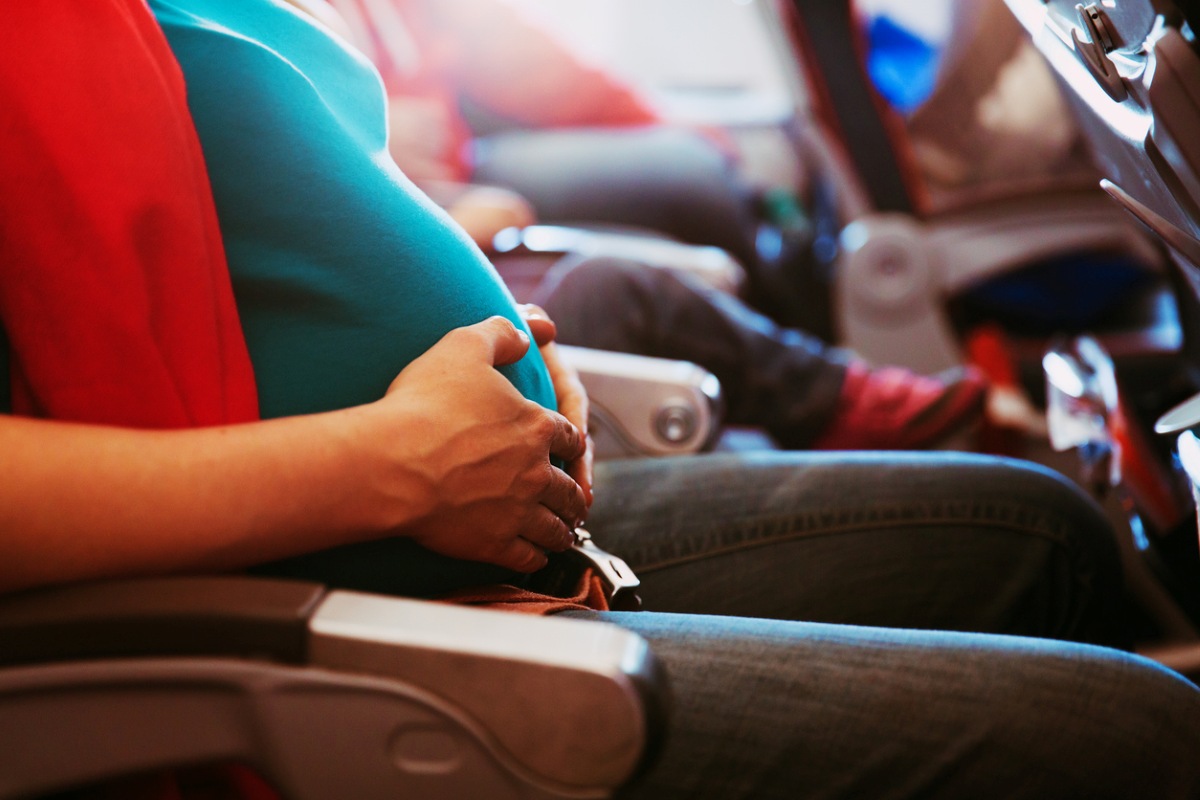
Pregnancy is a time of excitement and change, but it is also a time when many women are balancing work, family obligations, and personal plans. For some, that includes traveling—whether it is a vacation, a business trip, or a visit to loved ones. If you are pregnant, you may wonder if travel is safe, when it is best to go, and what precautions you should take.
Pregnancy does not have to put your life or plans on hold. With the right precautions, most women can travel safely and comfortably at every stage. The good news is that for most healthy pregnancies, travel is safe. With a few adjustments and thoughtful planning, you can enjoy your trip and reduce risks.
Travel During Pregnancy: General Guidelines
Aim to travel between weeks 14 and 28 if you have flexibility. Your belly is not too big yet, morning sickness is usually better, and you will have more energy for the trip.
Travel in the first trimester can be more challenging due to fatigue, nausea, and increased miscarriage risk, although it is not unsafe in most cases. The third trimester is generally safe as well, but travel becomes less comfortable and increases the risk of complications such as preterm labor. Many airlines have restrictions on flying late in pregnancy, often after 36 weeks.
Before traveling, always discuss your plans with your provider. Every pregnancy is different, and your doctor can help determine what is safest for you.
Flying During Pregnancy
Air travel is generally safe for pregnant women until about 36 weeks, provided there are no complications. Still, it requires some adjustments to make the trip comfortable and lower risks.
Tips for safer flying include:
- Book an aisle seat so you can stretch and use the restroom easily.
- Get up and walk every hour or two to reduce the risk of blood clots.
- Stay hydrated by drinking plenty of water and avoiding caffeinated beverages.
- Wear compression stockings to improve circulation.
- Fasten your seatbelt below your belly and across your hips.
Bring a doctor’s letter confirming your due date if you are over 28 weeks, as some airlines may request it at check-in. Wear your most supportive shoes and bring snacks for the flight.
Road Trips and Car Travel
Long car rides can be uncomfortable and increase the risk of swelling or blood clots. With good planning, however, you can keep the trip safe and enjoyable.
Tips for car travel include:
- Always wear your seatbelt with the lap belt positioned below your belly.
- Stop every one to two hours to stretch and walk around.
- Pack healthy snacks and plenty of water.
- Use a small pillow or lumbar support to ease back strain.
- Avoid driving for long stretches alone, especially in late pregnancy.
If you experience contractions, bleeding, or fluid leakage while traveling, pull over and seek medical help right away.
Cruise Travel
Cruises can be a relaxing option, but they come with unique considerations. Seasickness may worsen pregnancy nausea, and medical care may be limited on board. Most cruise lines restrict travel after 24 to 28 weeks of pregnancy.
Check if your cruise destinations have any health advisories, such as Zika virus warnings, which can be serious for pregnant women. Ask about the availability of on-board medical care and whether they have prenatal or emergency services.
When to Avoid Travel During Pregnancy
Not all pregnancies are safe for travel. Your provider may recommend limiting or avoiding travel if you have:
- High blood pressure or preeclampsia
- Risk of preterm labor
- Placenta previa or other placental complications
- Severe anemia
- Multiple pregnancy (twins or more)
- Any pregnancy complication requiring close monitoring
Never risk travel if your provider has advised against it, or if you are experiencing any unusual symptoms, such as spotting, leaking fluid, or regular contractions before your trip. Err on the side of caution.
Staying Comfortable While Traveling
Comfort is key when traveling during pregnancy. Simple steps can make the journey easier.
- Wear loose, breathable clothing and supportive shoes.
- Carry snacks that help stabilize blood sugar, such as nuts, fruit, or granola bars.
- Bring a water bottle and sip frequently to avoid dehydration.
- Pack prenatal vitamins and any medications in your carry-on bag.
- Schedule extra time for rest, especially if crossing time zones.
Remember that your body is working harder than usual. Listen to it and take breaks when you need them.
International Travel During Pregnancy
Traveling abroad while pregnant requires extra planning. Be sure to:
- Review health and safety conditions at your destination.
- Check whether vaccines are required or recommended.
- Be cautious about food and water safety to avoid stomach illness.
- Know where the nearest hospital or medical facility is located.
- Make copies of your medical records in case of emergency.
Your provider can guide you on which destinations are safe and what precautions are most important for your specific stage of pregnancy.
Emotional Considerations
Beyond the physical challenges, travel during pregnancy can create emotional stress. Worrying about health, navigating crowded airports, or being far from your provider may heighten anxiety. Having a solid plan and discussing your concerns with your OB/GYN before you go can help reduce these worries.
At The Ob-Gyn Center, we encourage patients to share both their physical and emotional concerns before traveling. Peace of mind is just as important as physical comfort.
When to Call Your Provider While Traveling
Call your OB/GYN or seek local medical care right away if you experience:
- Vaginal bleeding or fluid leakage
- Severe abdominal pain or cramping
- Contractions that are regular or increasing in intensity
- Severe headaches, vision changes, or swelling
- Signs of infection such as fever or chills
- Decreased fetal movement once you are feeling regular kicks
Having your provider’s number saved in your phone can give you reassurance if questions or problems arise.
How The Ob-Gyn Center Supports Pregnant Travelers
At The Ob-Gyn Center, we are committed to supporting women through every stage of pregnancy, including when travel is on the calendar. Our team offers:
- Pre-travel consultations to evaluate your health and provide documentation if needed.
- Guidance on managing morning sickness, back pain, or swelling during trips.
- Personalized advice on safe destinations and travel timing.
- Support if complications occur, with referrals to trusted specialists if you are traveling long-distance.
Pregnancy does not mean you have to stop living your life or put off important trips. With preparation and the right support, you can travel safely and comfortably. Schedule your pre-travel appointment today to ensure peace of mind on your next journey.
Schedule an Appointment
If you are planning a trip during pregnancy, schedule an appointment with The Ob-Gyn Center before you go. Our providers can help you understand what is safe, prepare for the journey, and provide tips to keep you and your baby healthy while you travel. With the right guidance, you can focus on enjoying the experience while feeling reassured that your care is our priority.