
MyoSure® Tissue Removal


Getting To The Root Of The Issue
During a hysteroscopy, your doctor may simultaneously perform a MyoSure procedure to remove tissue, such as polyps and fibroids, or sample tissue that may need further examination. Most patients who undergo a MyoSure procedure return to normal activities in one to two days.
Ask your doctor if the MyoSure procedure is right for you.
Reasons You May Get A Myosure Procedure:

Uterine polyps

Uterine fibroids
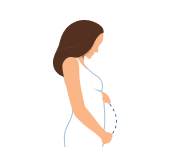
Uterine tissue impacting fertility

Retained tissue from pregnancy

Endometrial biopsy

Bleeding post menopause
Is MyoSure right for you?
Uterine Polyps
Cause: Uterine polyps form due to the overgrowth of endometrial tissue, which is often influenced by hormonal imbalances.
MyoSure treatment: During a MyoSure hysteroscopic polypectomy, your doctor will look inside your uterus with a hysteroscope and thin camera, while using the MyoSure device to remove uterine polyps.
How big are they?
Where are they located?
Who do they affect?
Common Polyp Symptoms
- Irregular menstrual period

- Heavy menstrual bleeding
- Bleeding in between periods
- Bleeding in between periods
- Infertility
- Bleeding after intercourse

Uterine fibroids
Cause: The cause of fibroids isn’t well understood, but it is believed that they form when a cell goes rogue and replicates over time.
MyoSure treatment: Your doctor may recommend the MyoSure procedure for fibroids located inside the uterine cavity based on their size and location. During a MyoSure hysteroscopic myomectomy, your doctor will look inside your uterus with a hysteroscope and thin camera, while using the MyoSure device to remove fibroids.
Discover other minimally-invasive treatment options, like Sonata and Acessa fibroid ablation.
Common Fibroid Symptoms
- Heavy menstrual bleeding
- Abdominal bloating and cramping
- Pelvic, back, and leg pain
- Pain during sex
- Frequent urination
- Fatigue
Uterine tissue impacting fertility
Causes: Common uterine conditions like polyps, fibroids, or irregularities in the uterus can interfere with the egg implanting or increase the risk of miscarriage. Many patients may not realize they have polyps or fibroids until they begin trying to conceive.
MyoSure treatment: Your doctor may recommend the MyoSure procedure depending on the cause of your infertility. During a MyoSure procedure, your doctor will look inside your uterus with a hysteroscope and thin camera, while using the MyoSure device to remove problematic tissue that may be impacting your fertility.
Retained tissue from pregnancy
Causes: This occurs when pregnancy tissue is left in the uterus from a miscarriage, abortion, or giving birth (either vaginally or a c-section). The tissue may be from the placenta, fetus or embryo.
MyoSure treatment: During a MyoSure procedure, your doctor will look inside your uterus with a hysteroscope and thin camera, while using the MyoSure device to remove retained tissue from pregnancy.
Endometrial biopsy (tissue sample)
Why: Some reasons for endometrial biopsy may include irregular periods, bleeding after menopause, thickened uterine lining or an irregular pap smear result.
A biopsy is used to investigate abnormal uterine bleeding, check for signs of infection or inflammation, and look for abnormal cells, such as precancerous changes or uterine cancer. A tissue sample may also help diagnose the reason for infertility or repeated miscarriages.
MyoSure treatment: During a MyoSure procedure, your doctor will look inside your uterus with a hysteroscope and thin camera, while using the MyoSure device to collect a small piece of the endometrial lining. The collected tissue is sent to be examined and tested to determine diagnosis and next steps.
Postmenopausal bleeding
Causes: Many causes of postmenopausal bleeding may be harmless, like vaginal dryness or hormonal changes. However, it could also be a sign of polyps, fibroids, or in rare cases, uterine cancer.
MyoSure treatment: Your doctor may recommend the MyoSure procedure depending on the cause of your postmenopausal bleeding.
During a MyoSure procedure, your doctor will look inside your uterus with a hysteroscope and thin camera, while using the MyoSure device to either remove polyps and fibroids (that may be causing your bleeding), or take a sample of your endometrial lining. The tissue sampled is sent to be examined and tested to determine diagnosis and next steps.
The MyoSure procedure, at-a-glance


What does it treat?

Who is a candidate?

How does it work?

How long does it take?

What does recovery look like?

Are patients satisfied?
The Myosure Procedure, Step-by-step
1
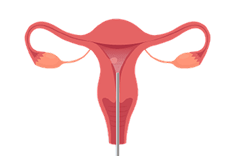
Insert and identify
2
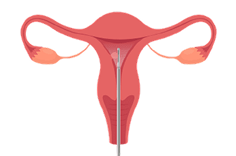
Access tissue
3
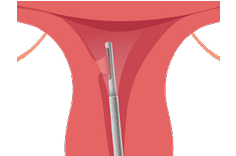
Remove tissue
4
End of procecdure
Why Is Visualization Important?
With a visualized procedure, like MyoSure, your doctor uses a camera to see inside the uterus as they remove tissue. This allows them to work more accurately, helping you get answers sooner and often reducing the need for repeat procedures.
Hear from a MyoSure patients

Better is possible™
MyoSure tissue removal procedure
Whether MyoSure is right for you depends on your symptoms, your diagnosis, and your individual health needs
Other Treatment Options
Your doctor can help you decide if the MyoSure procedure or another treatment is right for you.
Frequently Asked Questions
The MyoSure tissue removal procedure is not appropriate for patients who are or may be pregnant, or have signs or symptoms of a pelvic infection, cervical cancer, or previously diagnosed uterine cancer.
Only your doctor can determine if you are a candidate for a MyoSure tissue removal procedure.
Consult with your doctor about your treatment options.
After a MyoSure hysteroscopic polypectomy you will likely return home the same day, and full recovery is just a matter of days. Your doctor may prescribe an over-the-counter pain medication like Tylenol or Motrin if you are experiencing pain. You may also experience light vaginal bleeding and/or cramps for one to two days.
Talk to your doctor about the benefits, risks and alternatives prior to having a MyoSure tissue removal procedure.
There is a chance that your fibroids will grow back and repeat procedures may be necessary, however, one study shows that 95.2% of women are happy to consider a repeat procedure in the future if one is required.
The only way to ensure permanent elimination of fibroids is to have a hysterectomy, which is the surgical removal of your entire uterus, but there are also other options that may better manage your fibroid symptoms. Learn more about your treatment options.