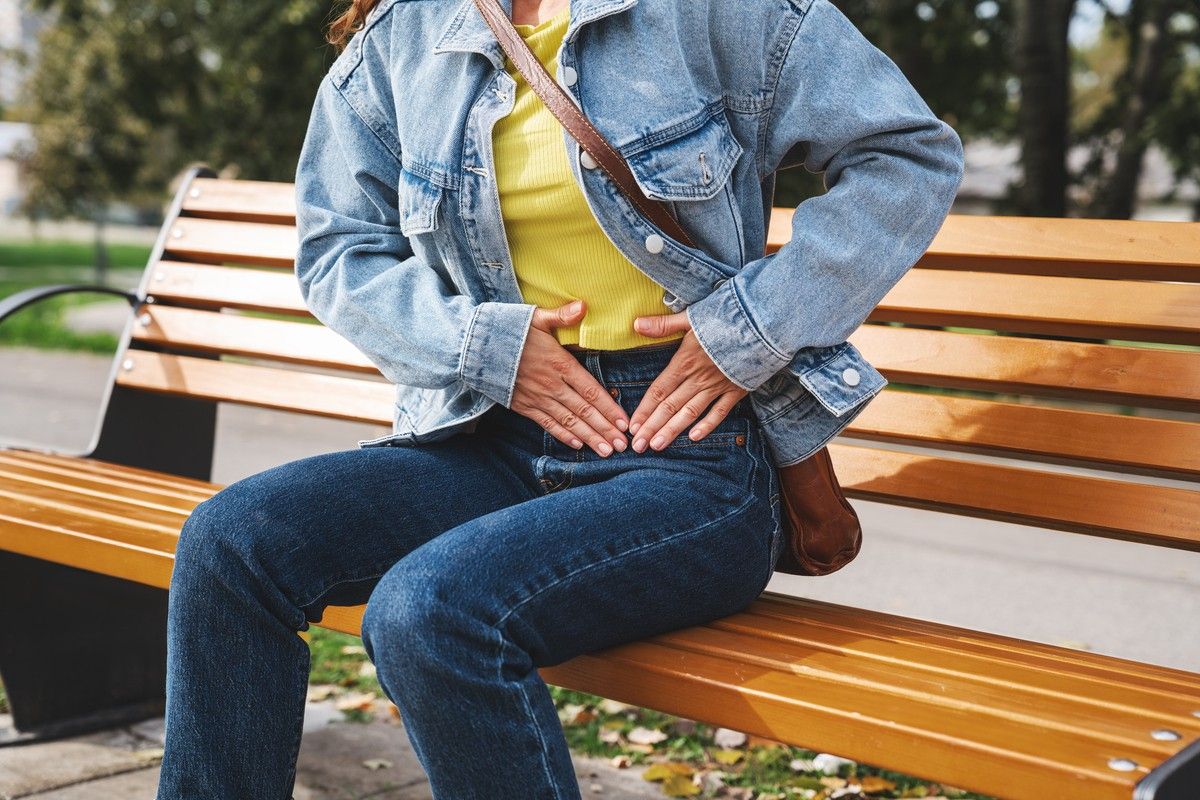
Chronic pelvic pain is persistent pain in the area below your belly button and between your hips that lasts for six months or longer. It affects a significant number of women, and it can range from a dull, steady ache to sharp pain that comes and goes. If you’ve been dealing with ongoing pelvic discomfort, you’re not alone, and treatment is available.
What Counts as Chronic Pelvic Pain
Not all pelvic pain is the same. Some women describe it as a constant heaviness or pressure, while others feel cramping, burning, or sharp stabbing sensations. The pain may be worse during your period, during or after sex, when you use the bathroom, or even just when you sit for long periods of time.
What makes pelvic pain “chronic” is that it sticks around. Everyone has occasional aches and pains, but when discomfort in your pelvic area becomes a regular part of your life for months on end, that’s a signal your body is telling you to get help.
Common Causes of Pelvic Pain
Several different conditions can cause chronic pelvic pain. In many cases, more than one issue may be contributing to the pain simultaneously.
Endometriosis is one of the most well-known causes of pelvic pain. It happens when tissue similar to the lining of your uterus grows in other areas of your pelvis. This tissue responds to your hormones the same way your uterine lining does, which leads to inflammation, scarring, and pain that often gets worse around your period. Endometriosis can also cause pain during sex and may affect fertility.
Ovarian cysts are fluid-filled sacs that develop on or inside an ovary. Many cysts form and resolve on their own without causing any trouble. But when a cyst grows large, ruptures, or causes the ovary to twist, it can lead to significant pain. Recurring cysts may contribute to ongoing pelvic discomfort.
Pelvic floor dysfunction is a condition where the muscles that support your bladder, uterus, and rectum don’t work the way they should. These muscles may be too tight, too weak, or have trouble coordinating properly. This can cause deep aching pain, discomfort during sex, and problems with urination or bowel movements.
Interstitial cystitis, also called “painful bladder syndrome,” causes chronic bladder pressure and pain that can feel a lot like a urinary tract infection that never goes away. Women with this condition often feel the need to urinate frequently and urgently, and the pain may get worse as the bladder fills.
Uterine fibroids are noncancerous growths that develop in or around the uterus. While many fibroids don’t cause symptoms, larger ones can create a feeling of pressure or heaviness in the pelvis, along with heavy periods and pain.
Adenomyosis occurs when tissue similar to the uterine lining grows into the muscular wall of the uterus itself. This can cause the uterus to enlarge, leading to heavy, painful periods and a persistent aching feeling in the pelvis.
Getting to the Root of the Problem
Because so many different conditions can cause chronic pelvic pain, getting an accurate diagnosis is key. Your provider will likely start with a detailed conversation about your symptoms, your menstrual history, and what makes the pain better or worse.
From there, a physical and pelvic exam helps your provider check for tenderness, swelling, or other findings. Blood work and urine tests can help rule out infections or other concerns. Imaging, such as a transvaginal ultrasound or sonohysterogram, can give a closer look at your uterus, ovaries, and surrounding structures. In some cases, more advanced imaging like an MRI may be recommended.
If initial testing doesn’t provide a clear diagnosis for your pelvic pain, your provider may recommend a minimally invasive procedure like a hysteroscopy or laparoscopy to look directly at the organs inside your pelvis.
Finding Relief and Moving Forward
Treatment for chronic pelvic pain depends on what’s causing it. Hormonal medications, including certain types of birth control, can help manage conditions like endometriosis, adenomyosis, and painful periods. Over-the-counter pain relievers may offer some relief for milder symptoms. Physical therapy focused on the pelvic floor can make a real difference for women dealing with muscle-related pain. For conditions like fibroids or severe endometriosis, minimally invasive surgical options may be recommended.
You do not have to accept chronic pain as part of daily life. Pelvic pain that disrupts your daily life, your sleep, your relationships, or your ability to enjoy the things you love deserves a thorough evaluation.
If you’ve been dealing with pelvic pain that won’t go away, schedule an appointment with The Ob-Gyn Center to get answers. Call (702) 978-8900 or visit lasvegasobgyncenter.com to request an appointment.