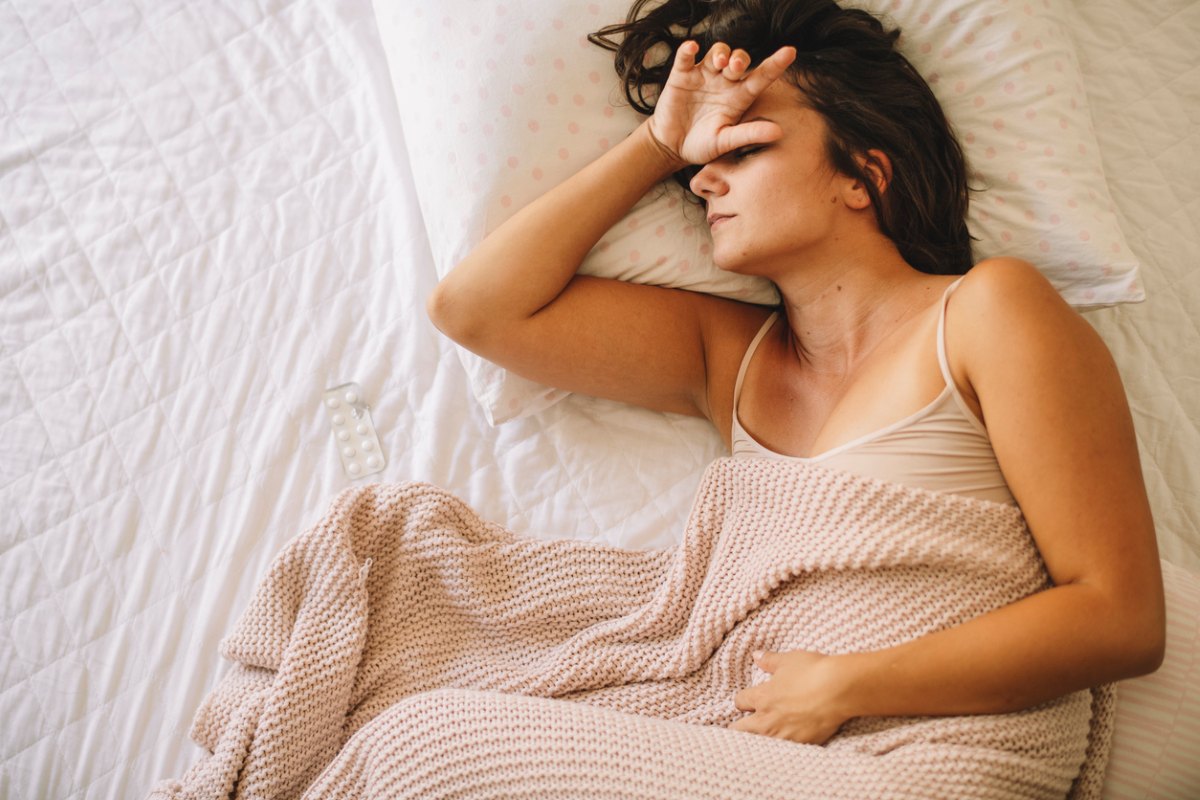
What Is PMS?
Premenstrual syndrome is a group of symptoms that occur in the luteal phase, one to two weeks before your menstrual period starts. These symptoms usually go away once your period begins or shortly afterward. PMS is linked to hormonal fluctuations that occur naturally during your menstrual cycle.
Most women of reproductive age experience at least one sign of PMS. For some, the effects are mild and manageable. For others, PMS can lead to missed workdays, strain in relationships, or a general decline in quality of life.
Common Physical Symptoms of PMS
Physical symptoms may vary from month to month but often include:
- Bloating or water retention
- Breast tenderness
- Headaches or migraines
- Fatigue
- Food cravings, especially for sugar or carbohydrates
- Cramps or lower back pain
- Acne breakouts
- Digestive changes, such as constipation or diarrhea
These symptoms are the result of hormonal changes, especially the rise and fall of estrogen and progesterone, which affect different systems in the body.
Common Emotional and Mental Symptoms
PMS doesn’t just affect your body. Emotional symptoms can be just as challenging, especially when they appear every month and impact your daily mood.
Some of the most common emotional or psychological symptoms include:
- Irritability or mood swings
- Feeling overwhelmed or anxious
- Sadness or crying more easily
- Trouble sleeping
- Difficulty concentrating
- Lowered self-esteem
If these symptoms feel intense or begin to interfere with your relationships or work, it’s important to speak with a healthcare provider. In some cases, women may have a more serious condition called premenstrual dysphoric disorder (PMDD), which requires a different approach. PMDD includes intense mood changes that significantly disrupt daily life, and may require targeted treatment involving antidepressants or hormonal regulation.
What Causes PMS?
The exact cause of PMS is not fully understood, but researchers believe it is connected to the natural hormonal fluctuations that happen during the menstrual cycle. After ovulation, levels of estrogen and progesterone rise and then fall sharply if pregnancy does not occur. These changes can influence brain chemistry, especially neurotransmitters like serotonin, which affect mood and energy.
Other factors may also play a role, including:
- Genetics (PMS can run in families)
- Stress or poor sleep
- Poor diet, especially high sugar and low nutrient intake
- Lack of physical activity
- Underlying health conditions, such as depression or thyroid issues
How PMS Is Diagnosed
There is no single test for PMS, but your provider can help diagnose it based on your symptoms and menstrual history. You may be asked to keep a symptom diary for two or three months. This helps identify patterns and confirm whether your symptoms are linked to your cycle.
Your provider may also perform blood tests to rule out other conditions that can mimic PMS, such as thyroid problems or anemia.
Tips for Managing PMS at Home
While PMS cannot be cured, it can be managed with a combination of lifestyle changes and, if necessary, medical treatment. Here are some evidence-based strategies to help reduce symptoms:
1. Focus on Nutrition
A balanced diet can help stabilize mood, reduce bloating, and prevent energy crashes.
Try to:
- Eat more whole grains, lean proteins, fruits, and vegetables
- Limit salt to reduce water retention
- Cut back on sugary snacks and processed foods
- Drink plenty of water
Some women find relief by increasing calcium and magnesium in their diet or through supplements. Always check with your provider before starting new supplements.
2. Stay Physically Active
Exercise may be the last thing you want to do when you’re cramping or tired, but it can help relieve many PMS symptoms. Physical activity boosts mood, improves sleep, and reduces bloating.
Aim for at least 30 minutes of moderate activity most days of the week, such as walking, yoga, swimming, or cycling.
3. Get Better Sleep
Poor sleep can make PMS worse. Try to maintain a consistent sleep schedule, avoid screens before bed, and create a calming nighttime routine.
If you’re waking up frequently or feel tired despite sleeping enough, talk to your provider to rule out other causes.
4. Manage Stress
Stress can magnify PMS symptoms. Try adding relaxation techniques to your day, such as:
- Deep breathing or meditation
- Journaling
- Taking breaks from your screen
- Talking with a therapist or support group
Even 10 to 15 minutes of intentional relaxation each day can make a difference.
Medical Treatment Options
If lifestyle changes aren’t enough, The Ob-Gyn Center offers several treatment options to help manage PMS.
Hormonal Birth Control
Oral contraceptives, patches, and hormonal IUDs can regulate hormone fluctuations that contribute to PMS. For many women, this approach helps lessen both physical and emotional symptoms.
Antidepressants (SSRIs)
In some cases, especially when mood symptoms are severe, your provider may recommend a low-dose antidepressant. These can be taken daily or only during the second half of your cycle, depending on your needs. This depends largely on your symptom pattern, needs, and provider’s recommendation.
Pain Relief
Over-the-counter medications like ibuprofen or naproxen can reduce cramps, breast tenderness, and headaches. If these are not enough, your provider may recommend a stronger option.
Hormone Therapy
For women nearing menopause or experiencing significant hormonal imbalance, hormone therapy may be considered. While not a first-line treatment for PMS, hormone therapy may be helpful for women in perimenopause who experience significant hormonal fluctuations. The team at The Ob-Gyn Center will review your symptoms, medical history, and goals before recommending this route.
When to See Your OB/GYN
While occasional moodiness or cramps are common, recurring symptoms that interfere with daily life should not be ignored. Make an appointment if:
- Your PMS symptoms are affecting work, school, or relationships
- Over-the-counter remedies are no longer helping
- You feel depressed, anxious, or out of control during certain times of your cycle
- You want to explore birth control options for symptom relief
Our Approach at The Ob-Gyn Center
We know that every woman’s experience with PMS is different. That’s why we offer personalized care plans based on your unique symptoms and goals. From nutritional guidance to hormonal support and everything in between, our team is committed to helping you regain control of your cycle and your comfort.
If PMS symptoms are affecting your daily life, you don’t have to deal with them alone. Schedule an appointment at The Ob-Gyn Center to get the answers, support, and treatment you need to feel your best every month.