Thinking about starting a family brings excitement and planning. However, with all the excitement, it’s also time to start thinking about steps you can take to get ready for your pregnancy. This is where vaccinations are important. Vaccinations play a vital role in your pregnancy preparation by protecting you and your baby from preventable diseases.
In this preconception checklist, we’ll discuss the importance of pre-pregnancy vaccinations, which vaccinations are recommended, and why.
Why Pre-Pregnancy Vaccinations Matter
Before conception, ensure that your body is ready to fend off diseases that could harm you or your baby. Vaccinations work by providing a type of protection, guarding against infections that could affect you during pregnancy and potentially passed on to your unborn child. By getting vaccinated before pregnancy, you boost your own health and your baby’s health during those early, vulnerable stages of development.
Benefits of Getting Vaccinated Before Pregnancy
The benefits of pre-pregnancy vaccination include
- Vaccination builds immunity for both mother and baby. By receiving vaccines before pregnancy, you build immunity that can be passed on to your baby, providing protection to them early in life.
- Vaccines can help prevent birth defects – Certain infections, like rubella, can lead to birth defects if contracted during pregnancy. Vaccination before conception prevents this risk.
- Vaccination reduces the risk of pregnancy complications – Vaccines lower the chances of flu-related complications, which can be more severe during pregnancy.
Recommended Vaccines
The following is a list of vaccinations to consider before pregnancy.
- Rubella (German Measles)
The Centers for Disease Control and Prevention (CDC) recommends a rubella vaccination to protect against rubella infection during pregnancy. The virus causes the most severe damage when the mother is infected early in pregnancy, especially in the first 12 weeks (first trimester). - Varicella (Chickenpox)
The CDC also strongly recommends this vaccination since chickenpox infection during pregnancy can cause complications for both mother and baby. - COVID-19
According to the CDC and pregnancy experts, a COVID-19 vaccine should be obtained before pregnancy to help prevent pregnancy-related COVID infections if COVID is contracted. - Influenza (Flu)
Pregnant women are at higher risk of severe flu complications. Getting vaccinated before pregnancy reduces this risk, protecting you and your baby. This vaccination is also recommended by the CDC. - Tdap (Tetanus, Diphtheria, and Pertussis)
The CDC also recommends Tdap. Pertussis can be very dangerous for infants. - Hepatitis B
Depending on your job, lifestyle, or health history, you may be at added risk of becoming infected with hepatitis B. This virus can be transmitted to a baby during delivery. Therefore, vaccination before pregnancy is suggested.
Risks and side effects of vaccinations
As with all medications, vaccines have side effects. The most commonly reported side effects of vaccines, which typically last several days, are:
- Pain at the injection site
- Tiredness
- Headache
- Muscle pain
- Chills or fever
- Swollen lymph nodes in the same arm as the injection
Be aware that side effects do not always occur and, if present, usually last for no more than a few days.
Make an Appointment to Speak to Your Doctor
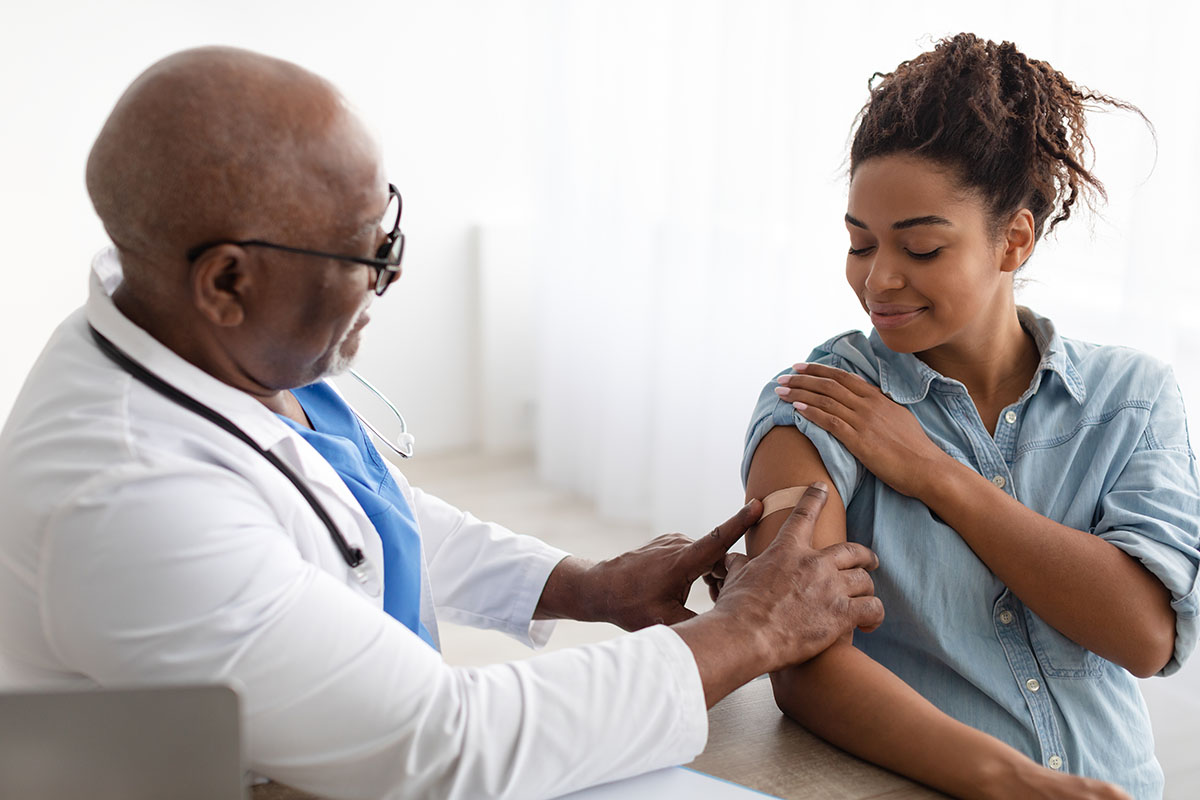
Before starting your pregnancy journey, talking to your doctor or OBGYN is essential. They’ll check your vaccination status, recommend any needed shots and address any questions or concerns you may have. Your doctor will personalize their advice based on your own health history, current health status and specific needs.
Timing of Vaccinations
It’s best to get vaccinated well before you plan to get pregnant. Some vaccines require multiple doses, so planning ahead is key. Your doctor can help you create a vaccination plan that fits your timeline, ensuring you’re protected when you conceive.
Safety of Vaccines During Preconception and Pregnancy
Most vaccines have a strong safety profile, and research supports their effectiveness. However, if you have any worries, discuss them with your doctor. They’ll help you make informed decisions about vaccination.
Getting vaccinated before pregnancy sets the stage for a healthy journey into parenthood. By working with your doctor, following a vaccination schedule, and taking the recommended shots, you’re giving yourself and your baby the best start possible.
References
- https://www.cdc.gov/rubella/pregnancy.html